
Tooth-Coloured or Silver Filling in Kharghar? What Actually Goes Into Your Tooth
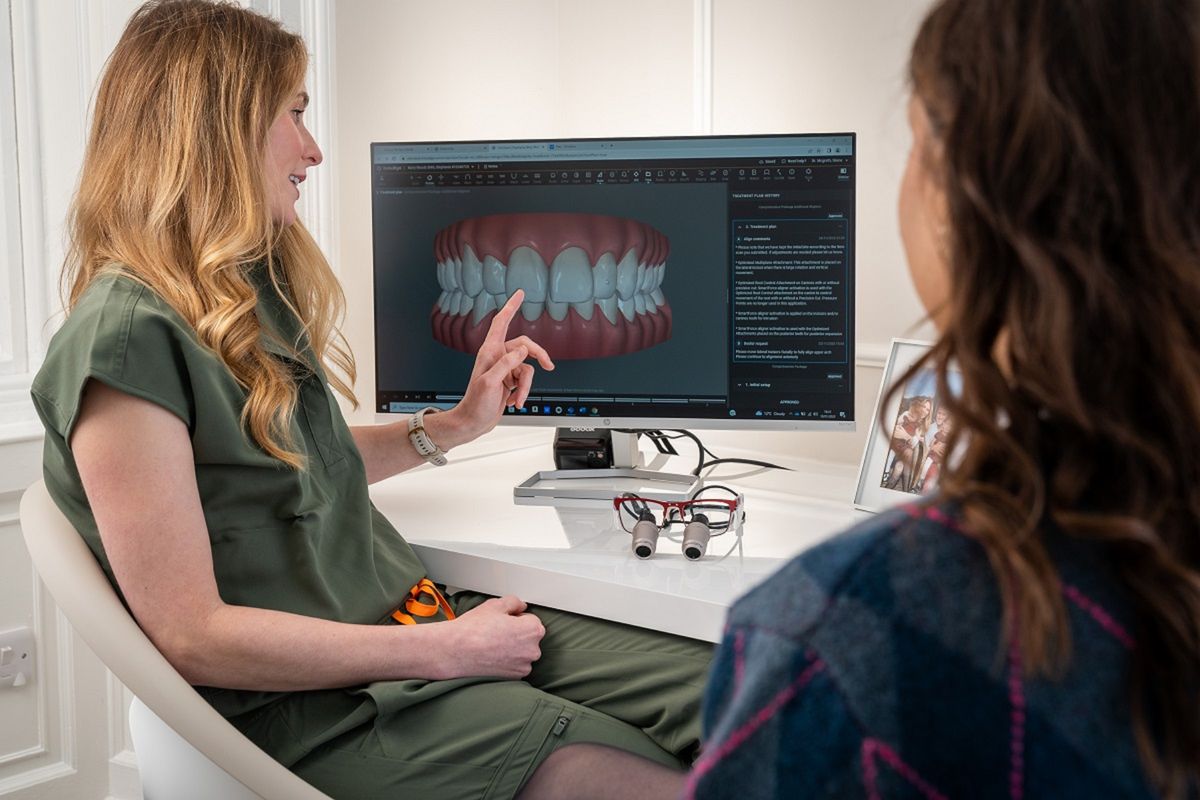
You lean in at the mirror after a work lunch and spot it, a small grey shadow at the back of a molar. It has probably been there for months, quietly widening while you assumed it was stain. At Samridhi Dental Super Speciality Clinic in Sector 21, Kharghar, this is one of the most common reasons people finally book a check-up. The real question that follows is simple: tooth-coloured or silver, and does it actually matter which one goes in.
Composite or Silver: What Actually Goes Into Your Tooth
A silver filling is dental amalgam, a mix of powdered metal alloy bound together with liquid mercury. It has been used for well over a century because it is strong and straightforward to place.
A tooth-coloured filling is composite resin, a plastic and glass mixture matched to your natural shade and bonded to the tooth with light-cured adhesive. It blends in, which matters most on teeth that show when you smile.
The two also fail differently. A systematic review of long-term studies found amalgam has a median survival time of around 16 years, against 11 years for composite.
Amalgam usually fails by cracking, while composite usually fails from decay creeping back in at the edge. Composite also needs a completely dry field to bond properly, which makes it harder to place well on a deep back tooth.
The two are also placed differently. Composite goes in as thin layers, each one hardened under a curing light before the next is added. It is then shaped and polished to match the tooth around it.
Amalgam is packed into the cavity in one soft mass, then carved to shape while it is still workable. It is left to set hard over the next day, and neither approach is quicker in a way that should decide your choice.
Either way, most cavities are done in a single visit. A straightforward filling on a single tooth surface usually takes between 20 and 40 minutes, from numbing to the final polish.
Is a Silver Filling Still Safe to Get?
This is the question that actually keeps people up, so it deserves a straight answer. The US FDA has reviewed dental amalgam repeatedly and found the mercury vapour it releases does not appear to cause harm in most healthy adults.
The same review flags a smaller group where it recommends avoiding amalgam if a reasonable alternative exists. That group includes pregnant or nursing women, children under six, and anyone with pre-existing kidney or neurological conditions.
Dr. Puja Chadha's default at Samridhi Dental is composite for exactly this reason. If most patients start with a tooth-coloured filling, nobody has to sit through the mercury question later on a tooth that already needs redoing.
An old amalgam filling that is intact and causing no pain is not an emergency to remove. Swapping it out only because it is silver, with no crack or new decay underneath, trades a working filling for an unnecessary procedure.
What a Filling Actually Costs in Kharghar
Silver fillings typically start from around ₹800 per tooth. Tooth-coloured composite fillings typically start from around ₹1,040 per tooth, based on published pricing across Indian clinics. Exact pricing depends on case complexity, so get a written quote at the consultation.
The price moves with how many surfaces of the tooth are affected, how deep the cavity has gone, and whether the nerve is close by. A small single-surface filling costs far less than one rebuilding most of a molar.
Composite generally costs more per tooth than amalgam because it takes longer to place correctly and the material itself is pricier. Most patients find the aesthetic and mercury-free upside worth that difference, especially on a visible tooth.
If a cavity has gone deep enough to reach the nerve, a filling on its own is no longer enough. That tooth usually needs root canal treatment first, with a filling or crown built on top once the nerve issue is settled.
Living With a New Filling
A composite filling is hard as soon as the curing light finishes. You can eat on that side again once the local anaesthetic wears off, usually within a couple of hours. An amalgam filling needs a little more patience.
Chewing on it within the first 24 hours can distort it before it fully hardens. Stick to the other side of your mouth for a day. Mild sensitivity to hot, cold or sweet food afterwards is normal for either material.
Sensitivity that is still sharp after two weeks, or a bite that feels obviously high, is worth a quick call rather than waiting it out. A small adjustment usually settles it.
When You Do Not Need a New Filling At All
Not every dark mark is a cavity. A stain from tea, turmeric or paan sits on the surface and polishes off at a routine cleaning, no drilling involved.
A very early, shallow spot that has not broken through the enamel can sometimes be watched instead, alongside better brushing and a fluoride toothpaste. Not every mark needs a drill on day one, and an honest dentist will say so rather than filling it out of habit.
One small mercy, at least: nobody has ever lost a smile debate over a filling on a back molar only the dentist ever sees.
Getting a Filling Done at Samridhi Dental
Samridhi Dental Super Speciality Clinic sits at Shop 26, Tulsi Gagan Building, Sector 21, Kharghar, opposite Apeejay School. Dr. Puja Chadha (BDS, FFO, DMLS) checks the cavity and explains what is actually happening in the tooth. A written estimate follows before any filling goes in.
If you are dealing with sudden pain tonight rather than a routine filling decision, read what actually counts as a dental emergency first. For everything else, the clinic runs six days a week with evening slots to 9pm, and holds a 4.8 star rating across 360+ Google reviews.
Book a filling consultation at Samridhi Dental, or browse the full treatment list to see what else the visit could cover.
Frequently Asked Questions
How long does a tooth-coloured (composite) filling last?
Around 5 to 10 years on average, sometimes longer with good brushing and regular check-ups. It tends to need replacing sooner than a silver filling, usually because of new decay at the edge rather than the material cracking.
Is a silver (amalgam) filling safe, given the mercury?
The FDA has reviewed this repeatedly and found it does not appear to harm most healthy adults. It recommends avoiding amalgam where a reasonable alternative exists for pregnant or nursing women, children under six, and people with certain kidney or neurological conditions.
Can a front tooth get a tooth-coloured filling?
Yes, and it is usually the only sensible choice there. Composite is colour-matched to the surrounding tooth, so a filling on a front tooth blends in rather than showing as a grey patch.
How much does a filling cost in Kharghar?
Silver fillings typically start from around ₹800 per tooth and composite fillings typically start from around ₹1,040 per tooth, based on published Indian pricing. The final figure depends on cavity size and depth, confirmed with a written estimate at the consultation.
Does getting a filling hurt?
The area is numbed before the cavity is cleaned out, so the procedure itself should not hurt. Mild sensitivity to hot or cold for a day or two afterwards is normal while the tooth settles.
Can a child get a tooth-coloured filling in Kharghar?
Yes, composite is the common choice for children's cavities, partly because the FDA advises avoiding amalgam in children under six where there is a reasonable alternative. Samridhi Dental's paediatric dentistry visits are built around keeping this calm for a nervous child.